

Before you vote this fall, find out where Portland City Council candidates for District 3 and 4 stand on the future of our parks.
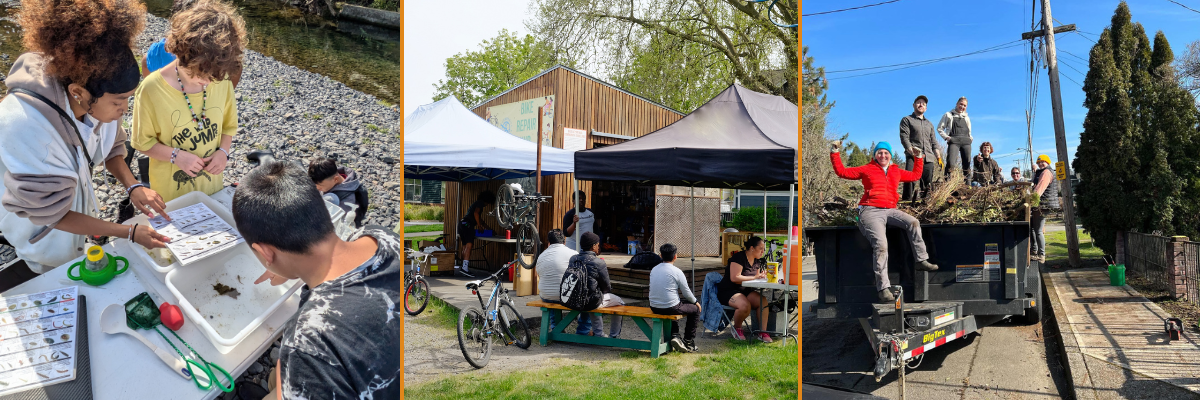
Portland’s parks, natural areas, community centers, pools, trails, and recreation programs touch nearly every part of city life. They are where we play, gather, exercise, cool off, connect with nature, and build community. They are also essential public infrastructure helping Portland respond to extreme heat, wildfire risk, stormwater, habitat loss, and other effects of climate change.
The decisions facing the next City Council are consequential. Portland voters renewed the Parks Levy in 2025, providing critical operating support for another five years. But the levy is temporary and does not solve the parks system’s long-term financial challenges or its growing deferred capital-maintenance needs. Portland Parks & Recreation now reports approximately $759 million in unfunded repairs and replacements, while the City must also determine what level of parks and recreation service it can sustainably and equitably provide.
City Council has an important role in those choices. Although the City Administrator oversees bureau operations, councilors approve the budget, establish policy, provide public oversight, allocate resources, and decide whether bonds and levies go before voters.
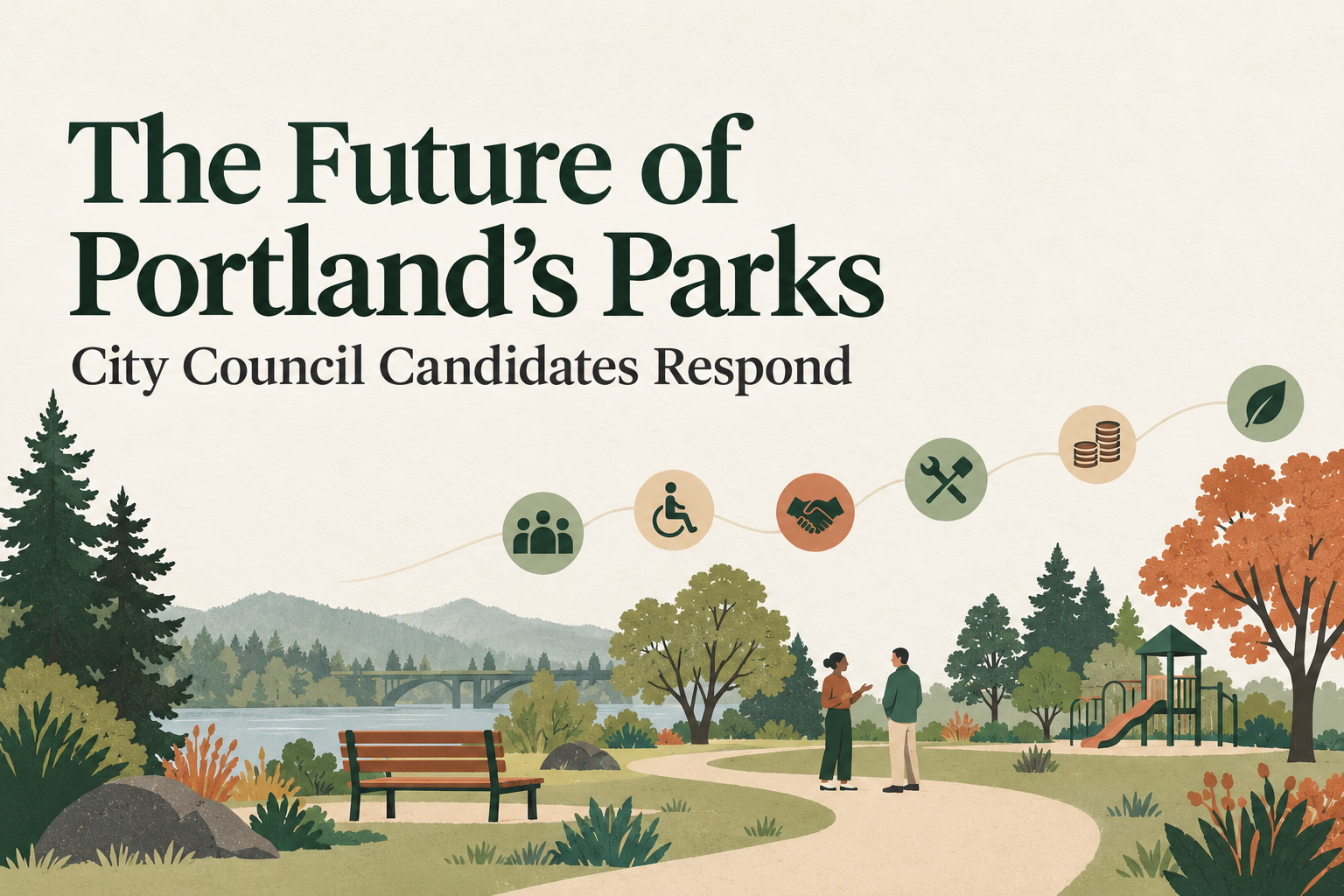
Portland Parks Foundation invited City Council candidates from Districts 3 and 4 to answer six questions about their connection to parks, equitable access, partnerships, deferred maintenance, long-term funding, and climate resilience. Their responses appear below, unedited, so voters can hear directly from the candidates before casting their ballots.
Candidate responses:
Candidates are listed in alphabetical order by first name. Click on their name to read their responses. PPF reached out to all candidates. Some did not reply by the deadline.
District 3
The following candidates are also running for District 3, but did not provide a response:
Ali Beaudoin, Angelita Morillo, Darren McCormick, Guy Frankenstein, Heart Free Pham, Joel Corcoran, Kimberly Tucker, Martin Ward, Matthias Hallett
District 4
The following candidates are also running for District 4, but did not provide a response:
John J Goldsmith, Timothy (TJ) Anderson
What is at stake?
Portlanders love their parks, but the system we depend on is under growing strain.
Parks, natural areas, community centers, pools, trails, recreation programs, and the urban forest:
create places for connection, belonging, play, culture, and artistic expression;
support physical and mental health;
sustain wildlife and habitat;
help manage stormwater, extreme heat, air quality, and wildfire risk; and
provide services and experiences that should be accessible to every Portlander.
The renewed 2025 Parks Levy, which funds over 40% of PP&R’s operations, gives PP&R essential operating stability through fiscal year 2030–31. But it remains a temporary funding source, and only a small portion is dedicated to capital maintenance. Meanwhile, PP&R reports approximately $759 million in unfunded repairs and replacements needed to keep existing facilities safe, functional, and accessible. Without stable capital funding, more park assets may fail or close. Learn more about the parks system’s financial challenges.
A 2025 City audit found that PP&R also needs clear systemwide service goals and a comprehensive fiscal-sustainability strategy. The audit called for decisions about new investments to account for the condition and long-term cost of maintaining the assets Portland already has. Read the City Auditor’s report.
The City Council resolution referring the 2025 levy commits the City to develop a long-range financial plan by the end of fiscal year 2027–28. It also calls for exploring a major-maintenance bond and other funding tools, while strengthening partnerships with volunteers, community organizations, philanthropy, and businesses. Read the 2025 Parks Levy resolution.
The next City Council will therefore face fundamental choices: What services should Portland commit to providing? How should the City care for the parks and facilities it already owns? Where are inequities most urgent? What roles should public funding and community partnerships play? And how should parks, natural areas, and trees contribute to Portland’s climate resilience?
These choices will shape whether Portland’s parks system remains welcoming, equitable, resilient, and financially sustainable for generations to come.
